
Partner Betrayal Trauma: Signs, Healing & Recovery Tips


Attempting to overcome betrayal trauma may leave you feeling like you are in a fog. You may go through the motions of daily life, but intrusive thoughts, flashbacks, and hurtful feelings plague you.
Betrayal trauma recovery is critical to moving forward with your life. Here is the foundational information you need to get started in the right direction.
What Is Betrayal Trauma?
Betrayal trauma happens when a trusted person or organization violates your trust, leaving you emotionally wounded and often questioning your judgment. The more integrated the person or group is in your life, the more profound the trauma tends to be.
Betrayal trauma is common for partners or spouses of those with sex addiction or porn addiction.
The Different Types of Betrayal Trauma
There are many types of trauma. Betrayal trauma is just one of them. The sources of betrayal also vary. It doesn’t always happen in an intimate relationship.
Betrayal can be:
- Intimate Partner. Your intimate partner or spouse has an emotional or physical affair or misleads you in a significant aspect of the relationship. After experiencing this betrayal, you may have a distorted perception of what a relationship should look like and have trouble trusting others in the future.
- Parental. Your parent or primary caregiver, someone your life and welfare depend on, fails to protect you from harm or harms you themselves. It creates a complex relationship where you can no longer trust your caregiver because they simultaneously provide support and harm.
- Interpersonal. A close friend, co-worker, peer, or other person in your life betrays your trust, and you begin to question your relationship. This betrayal can look like rejection, acting out of jealousy, speaking negatively about you behind your back, or ending the relationship suddenly without warning.
- Organizational/Institutional. When an organization harms the people it intends to serve, leading to distrust in the system. This betrayal can include covering up wrongdoings, refusing support, or harming employees emotionally, physically, or financially.
Causes of Betrayal Trauma
The causes of betrayal trauma are as diverse as who the trauma originates with. It can come from anyone you rely on breaking your trust.
Causes of betrayal trauma include:
- Physical, emotional, verbal, or sexual abuse
- Neglect
- Manipulation
- Emotional or physical infidelity, including that associated with pornography or sex addictions
- Dishonesty or secret keeping, including that related to finances or significant debt
- Inappropriate behavior from someone you trust and rely on, like sexual harassment by a workplace supervisor
“Betrayal trauma occurs when someone turns out not to be as they presented themselves and as you thought they were,” said Laurie Hall, CPC-S, PSAP, BTRL, Partner Support Program Facilitator at Begin Again Institute. “It’s not because you didn’t understand the person or their intentions, but because they presented themselves in a deceitful way.”
Symptoms of Betrayal Trauma
Everyone experiences trauma differently. The symptoms of trauma also vary from person to person. But there are some commonalities. Knowing what signs to look for can help you recognize when you need help to heal.
Symptoms of betrayal trauma include:
- Inability or difficulty identifying or describing your emotions
- Feeling “out of it,” like you’re in a fog
- Depression or feelings of hopelessness
- Anxiety
- Mood swings
- Hypersensitivity
- Experiencing dissociative episodes
- Experiencing panic or anxiety attacks
- Withdrawing socially
- Intrusive thoughts, memories, or nightmares of when you discovered the betrayal
- Physical symptoms like headaches, chronic fatigue, gastrointestinal issues, or a weakened immune system
- Insomnia, difficulty falling asleep, or problems staying asleep
- Developing a substance use disorder or a reliance on substances such as drugs or alcohol
- Eating too much or not enough, sometimes results in disordered eating
- Difficulty trusting others
Stages of Betrayal Trauma Recovery
People respond to betrayal differently. However, there are some typical stages that people go through or experience after they learn about a betrayal and attempt to process it.
Typical stages of betrayal trauma recovery are:
- Shock. You can’t believe this is happening to you. It seems like something that you see on TV, or that happens to other people.
- Denial. You try to protect yourself and your emotions by pretending the betrayal didn’t happen or that it’s some type of misunderstanding.
- Anger. Once you accept that the betrayal is real, you become overwhelmed by the hurt and sadness, responding in anger as a way to try to protect yourself from what’s happening.
- Bargaining. Attempting to resolve or control the situation by saying things like, “I’ll stop going out with my friends if you agree to never look at another woman again.”
- Obsession. Feeling the need to know everything about the betrayal and analyze every surrounding decision, behavior, or action.
- Depression. An overwhelming sadness from being in this situation and not being able to easily fix it. Depression also results from feelings of blame, inadequacy, and shame.
- Acceptance. Learning to accept what happened to you and how your body and mind responded to it. Being able to heal and live to your fullest.
Some people may experience all of these stages, while others may only go through some of them. The stages also may not occur in this order. Some people can get stuck in a stage and stay there until they take action, like seeking help from a mental health professional.
The stages of betrayal trauma also aren’t time-bound. You could run through them all in a matter of a week or two, while it may take years for someone else to work through their feelings about and responses to betrayal.
Healing From Betrayal Trauma
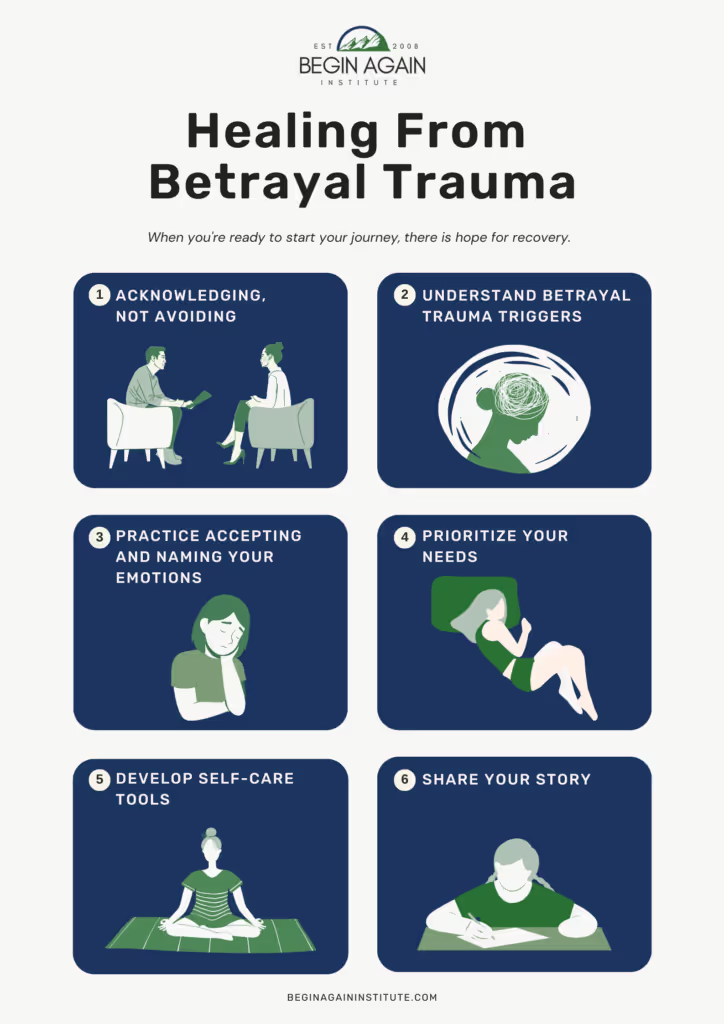
Seeing a path to healing may be challenging when you’re in a fog caused by betrayal trauma. But when you’re ready to start your healing journey, you can recover in many ways. Help is available if you find you can’t manage the symptoms of the trauma. Below are some strategies you can use to heal.
“An important thing to remember about healing from betrayal trauma is that you don’t have to conquer this thing that happened to you alone,” Laurie said. “Help is available, and seeking assistance from a mental health professional may be the best step toward recovery.”
Acknowledging, Not Avoiding
To fully heal, you must acknowledge the cause of your betrayal trauma.
“The cause of betrayal isn’t you,” Laurie said. “You are not responsible for what happened to you, even if you made mistakes in the relationship. The person who betrayed you is responsible. Now it’s up to you to heal from what they did.”
Survivors of betrayal can struggle to recognize the trauma due to the overwhelming pain and emotional stress of the betrayal. Ignoring what happened can create an adverse ripple effect on other aspects of your life.
“Trauma is unlikely to go away on its own,” Laurie explained. “You must face what happened and come to terms with it, even if the other person never takes responsibility for what they did to you.”
Acknowledging the source of the trauma allows you to explore why it was so devastating. This exploration helps you start your healing process and establish personal boundaries to avoid future harm.
Understand Betrayal Trauma Triggers
Sometimes certain situations can remind you of the incident of betrayal and cause emotional distress. It’s possible to react to these triggers unconsciously. You can suddenly feel anxious or defensive without understanding why.
By recognizing the sights, sounds, smells, sensations, and actions that can trigger your emotional distress, you can help manage your reactions more effectively.
Practice Accepting and Naming Your Emotions
When you experience intense emotions as a result of betrayal trauma, you probably want them to go away by any means possible. But by acknowledging your emotions without judgment, you’ll feel a sense of validation and better understand why you feel the way you do. It can be a painful process, but it will allow you to move through this difficult stage and regain control of your life.
Focus and Prioritize Your Needs
Suppose your betrayal trauma is the result of infidelity. In that case, you might need time to decide whether you wish to repair the damage to your relationship. But you don’t need to make any decisions immediately. Instead, prioritize your needs. Eating regular nutritious meals, exercising, staying hydrated, and sleeping are critical for recovery. By prioritizing your needs, you allow yourself the space to heal and have a clear mind for decision-making.
“Your responsibility is to take care of yourself first,” Laurie said. “All other decisions can wait until you have time to process what’s happened to you.”
Develop Self-Care Tools
It’s helpful to create a list of coping strategies and self-care practices to help you manage challenging emotions.
Mindfulness meditation is a powerful tool for improving your overall sense of calm and quality of life. It allows you to sit quietly with your thoughts and observe them. Imagine a safe place in your mind, such as a beach, mountain, or meadow, to serve as your sanctuary. Practicing mindfulness can serve as an anchor to create emotional and mental space for the trauma, acknowledging your feelings and letting them go.
Turn to Others for Support
Being honest about your experience can help you process your thoughts and emotions. Spending time with trusted friends and loved ones can provide a feeling of community and support.
Confide in a trusted person to help process your thoughts and emotions. It can be validating to speak with a therapist or attend a support group to find others with similar experiences.
Seek Professional Help
Having support from loved ones is critical, but it doesn’t replace the help you can receive from a mental health professional. A trauma-informed therapist can help you better understand how your mind and body respond to trauma. They also can review your symptoms and help you develop healthy tools for coping with betrayal trauma.
“You don’t have to heal from betrayal trauma alone,” Laurie said. “A qualified mental health professional can help guide you through the process of identifying and understanding what’s happened and give you tools for moving forward.”
Write an Impact Statement
Consider journaling or writing an impact statement, which is often a powerful tool for those surviving intimate partner betrayal trauma. It gives you permission to tell your side of the story and ask specifically for what you need. Impact statements allow you time to explore your feelings and speak your truths without interruption. They can also help re-bond you to your partner.
Help in Betrayal Trauma Recovery
Recovery from betrayal trauma doesn’t happen overnight, but it’s possible. Remember to give yourself grace during this difficult time and focus on what you can control. Acknowledge the pain you’ve experienced and confide in trusted loved ones. You may need professional help to overcome your negative feelings and begin again.
Your well-being is a worthy investment. At Begin Again Institute, we know that the partners of men with sex or pornography addiction also need healing. We offer a unique 10-hour Partner Support Program in our 14-Day Men’s Intensive. We also have a 5-Day Partner Intensive for women seeking help and healing on their own.
If you are the partner of someone with sex addiction, your healing is our priority. We are here to help guide you on your journey to recovery. If you’re ready to get your life back, contact us today.
{{embed-7465}}
Test Intensive Date
We get right to work, so you can get back to life.
“Begin again helped me jumpstart my healing. It’s like
a years worth of therapy in one trip.”